Mark 2:18-28 — New Wine into New Wineskins: Grace That Transforms Religious Structures
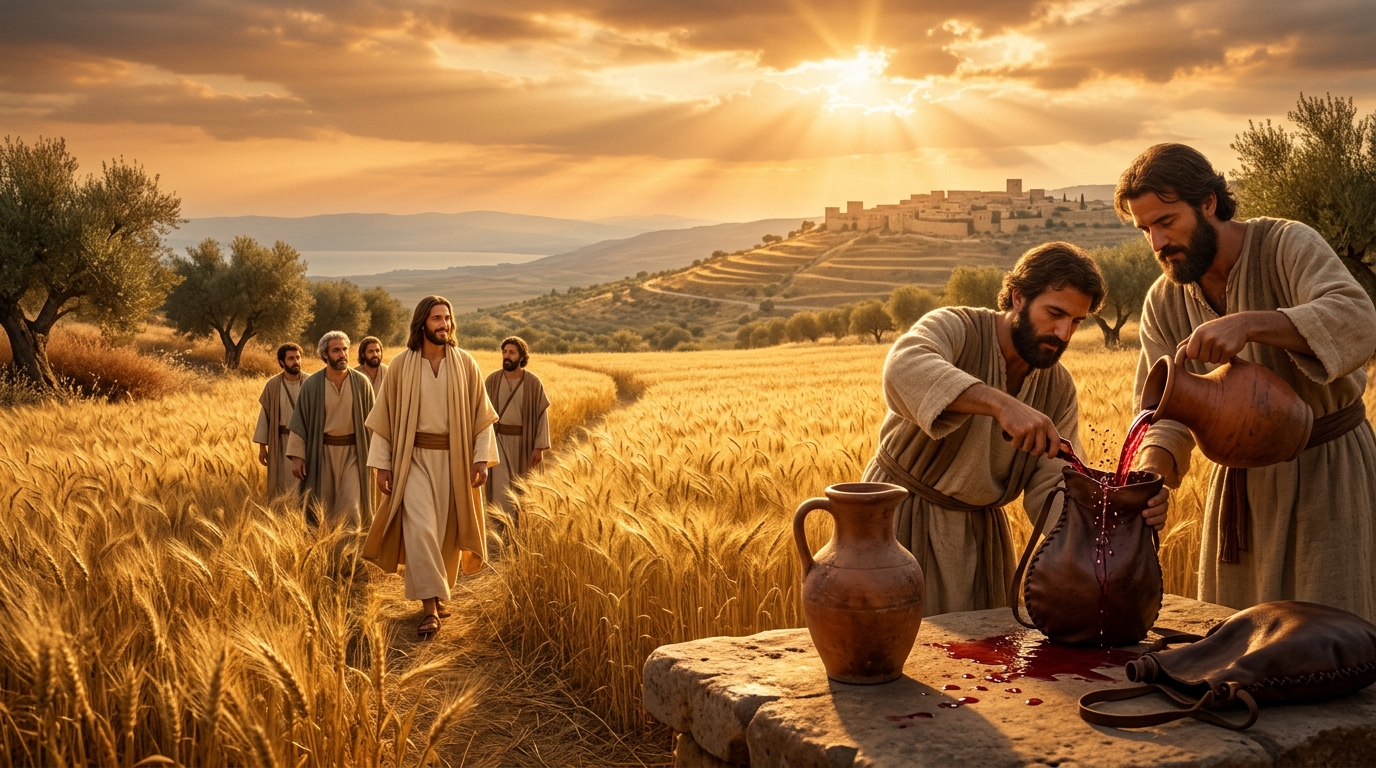
"Now John’s disciples and the Pharisees were fasting. Some people came and asked Jesus, “How is it that John’s disciples and the disciples of the Pharisees are fasting, but yours are not?” Jesus answered, “How can the guests of the bridegroom fast while he is with them? They cannot, so long as they have him with them. But the time will come when the bridegroom will be taken from them, and on that day they will fast. No one sews a patch of unshrunk cloth on an old garment. Otherwise, the new piece will pull away from the old, making the tear worse. And no one pours new wine into old wineskins. Otherwise, the wine will burst the skins, and both the wine and the wineskins will be ruined. No, they pour new wine into new wineskins.” One Sabbath Jesus was going through the grainfields, and as his disciples walked along, they began to pick some heads of grain. The Pharisees said to him, “Look, why are they doing what is unlawful on the Sabbath?” He answered, “Have you never read what David did when he and his companions were hungry and in need? In the days of Abiathar the high priest, he entered the house of God and ate the consecrated bread, which is lawful only for priests to eat. And he also gave some to his companions.” Then he said to them, “The Sabbath was made for man, not man for the Sabbath. So the Son of Man is Lord even of the Sabbath.”" — Mark 2:18-28
Human religiosity possesses a subtle yet persistent tendency to twist faith into an exhausting armor of rigid external demands. Over time, practices that originally emerged to draw the heart closer to God frequently petrify into inflexible traditions, becoming harsh measuring sticks used to criticize and police others. Anyone caught in the treadmill of performance-driven piety ends up spiritually drained: constantly struggling to live up to human expectations, haunted by the feeling that God is never quite pleased, and entirely alienated from the joyful vitality of His living presence.
In this climactic conclusion to Mark chapter 2, Jesus fearlessly confronts two of the most venerated institutions of ancient religion: ceremonial fasting and the strict observance of the Sabbath day. Speaking with the sovereign authority of the Creator, the Master does not come to dismantle God's moral law, but to emancipate it from the suffocating grip of legalistic traditions. Through two memorable word pictures—the patch of unshrunk cloth and the pouring of new wine into new wineskins—Christ reveals that the Gospel is not cosmetic repair for old guilt, nor a minor patch upon our former life, but the revolutionary arrival of a completely new creation, where boundless grace triumphs over mechanical rule-keeping and true rest is found in Him alone.
1. The Joy of the Wedding: When Divine Presence Banishes Mourning
The initial critique arose from the stark contrast between the somber austerity of John’s disciples and the Pharisees versus the joyful freedom of Jesus’ followers: “How is it that John’s disciples and the disciples of the Pharisees are fasting, but yours are not?” In late second-temple Judaism, fasting had largely degenerated into a public display of piety, a somber ritual of mourning aimed at coercing God's favor through ascetic discipline.
Jesus replies with a vibrant, joyful metaphor: “How can the guests of the bridegroom fast while he is with them?” In ancient Jewish culture, a wedding was the absolute summit of human celebration; during the bridal feast, all fasting and displays of grief were strictly forbidden. With this striking picture, Jesus declares that in His arrival, the heavenly Bridegroom has stepped into human history. God is no longer a distant, severe deity who must be placated with gloomy rituals; He is living and walking among His people. Authentic Christian faith is not a perpetual funeral march of prohibitions, but an ongoing celebration of fellowship with Jesus Christ. While there is a sacred season for private prayer and fasting, the enduring foundation of our daily walk is not religious gloom, but the radiant joy of walking in communion with our living Lord.
2. The Futility of Compromise: Grace Cannot Be Patched onto Legalism
To drive this liberating principle deeper, Jesus shares two vivid domestic parables concerning the total incompatibility between the old order and the new:
- The Unshrunk Cloth: Sewing a brand-new, unshrunk patch onto an old, fragile garment causes inevitable disaster; when washed, the new cloth shrinks, tears away from the brittle fibers of the old, and leaves a far worse tear.
- The New Wine in Old Wineskins: In the ancient world, wineskins were crafted from animal skins. When fresh, they were pliable and supple; over time, the leather became dry, stiff, and brittle. As new wine undergoes active fermentation, it releases expanding gases. If poured into an old, unyielding wineskin, the internal pressure will burst the rigid container, destroying both the precious wine and the vessel.
The spiritual truth is unmistakable: you cannot contain the overflowing, living grace of Christ within the rigid molds of self-righteousness. Many believers attempt a "patchwork" spirituality: trying to graft a little bit of Jesus onto their old habits, attempting to blend divine forgiveness with bitter grudges, or striving to earn heaven’s favor through human penance. Jesus did not come merely to polish your old nature; He came to give you an entirely new heart—a supple, tender wineskin yielded to the Holy Spirit, capable of holding the rich, effervescent joy of His presence without bursting.
3. Rest That Restores Life: Humanity Above Rigid Rules
The scene shifts abruptly to sunlit grainfields on the Sabbath (Sabbath). As Jesus and His disciples walked along, the disciples grew hungry and began plucking heads of wheat to eat. The ever-watchful Pharisees immediately pounced with legalistic accusations: according to their intricate oral traditions, plucking grain constituted harvesting, and rubbing it between their hands constituted threshing—both considered labor strictly forbidden on the sacred day of rest.
Jesus responds by recalling Scripture and the historic example of King David, who, facing urgent physical hunger, entered the house of God and ate the consecrated bread of the presence reserved only for the priests. Jesus then utters one of the most liberating truths ever recorded: “The Sabbath was made for man, not man for the Sabbath.”
God instituted the Sabbath day not as a suffocating prison of prohibitions, but as a tender gift of mercy intended to restore weary bodies, refresh the soul, and celebrate the Creator’s faithful provision. Legalism had tragically inverted God’s design: it exalted the institution above human welfare. Whenever a religious philosophy or personal mindset prioritizes rigid dogma over compassionate love, it has lost the very heartbeat of God. The Lord will never demand that you sacrifice human mercy and compassion upon the altar of religious formalism.
4. The Lord of the Sabbath: Our Eternal Sanctuary of Rest
The passage reaches its climax in a majestic declaration of divine authority: “So the Son of Man is Lord even of the Sabbath.”
Jesus is far greater than an interpreter of sacred law; He is its divine Author and its glorious fulfillment. If Christ is the Lord of the Sabbath, then our ultimate spiritual rest is not found in a specific day on a calendar, but in a Person. In an exhausted world driven by relentless anxiety, frantic hustle, and religious guilt, Jesus extends His nail-pierced hands and invites us: “Come to me, all you who are weary and burdened, and I will give you rest” (Matthew 11:28). In Jesus, our striving ceases. We rest in the finished work of His cross, confident that we are eternally loved and that His sovereign grace renews our strength day by day.
Prayer and Declaration of Faith
"Lord God Almighty, eternal Father of boundless grace and Author of all true rest: Today I come into your sacred presence, laying aside every heavy burden of religious performance, legalism, and human self-justification. I confess that I have often allowed the rigid expectations of this world, the fear of human judgment, and the hardness of my own heart to stifle the fresh vitality of your Holy Spirit. Forgive me for the times when I tried to patch my old life with my own fragile strength, instead of yielding entirely to the transforming power of your love.
Today I present my heart before you as a new, pliable, and humble wineskin, ready to be filled to overflowing with the new wine of your grace, joy, and peace. I rejoice in the living presence of Jesus Christ, my heavenly Bridegroom and sovereign Lord of the Sabbath. In Him, I lay down all anxiety about my worth and rest securely in the finished victory of the cross. Clothe my spirit with mercy, let compassion govern my every word, and empower me to walk in the glorious liberty of your beloved children today and forever. In the glorious name of Jesus Christ. Amen."